If you love the idea of a home base with real character, Historic Downtown Snohomish stands out right away. You are not just choosing a house here. You are choosing a daily rhythm shaped by walkable streets, river views, local shops, and architecture that reflects more than a century of local history. If you are wondering what it is actually like to live near this part of Snohomish, this guide will help you weigh the lifestyle, housing options, and tradeoffs so you can decide if it fits your goals. Let’s dive in.
What makes downtown Snohomish unique
Historic Downtown Snohomish is not a typical suburban retail strip. The city identifies it as a 26-block Historic District along the Snohomish River, with a preserved commercial core near the riverbank and historic residential areas generally to the north. The district was established in 1973 and added to the National Historic Register in 1974, which helps explain why the area feels distinct and carefully preserved.
According to the City of Snohomish history overview, this part of town developed with a clear relationship to the river, the commercial center, and surrounding residential streets. That setting still shapes the experience of living nearby today. You get a small-town downtown feel with a layout that is easy to understand and easy to enjoy on foot.
The city also describes the district as intentionally walkable, with mature street trees, sidewalks, alleys, and small-scale storefronts. In the Historic District overview, the city notes that much of the commercial fabric dates from 1880 to 1930. For you as a buyer, that means the area offers a preserved main street environment rather than a more conventional car-oriented shopping corridor.
What daily life feels like
One of the biggest draws of living near Historic Downtown Snohomish is how much you can enjoy close to home. Downtown is strongly associated with antiques, independent retail, and food-and-drink businesses. The city calls it the Antique Capital of the Northwest, and it highlights boutiques, coffee shops, bars, restaurants, and professional services within the district.
That mix matters because it supports an everyday lifestyle, not just a weekend destination. The downtown merchant directory shows a range of businesses, including coffee spots, cafes, antique stores, and vintage retailers. If you enjoy being able to step out for a coffee, browse local shops, or meet friends without driving far, this area offers that kind of convenience and atmosphere.
The district also stays active through recurring events. The Historic Downtown Snohomish Association hosts community programming, including wine walks and other downtown events. For many buyers, that adds to the appeal because the neighborhood can feel lively beyond standard business hours.
River access adds to the appeal
Living near downtown Snohomish also means living near the riverfront, which gives the area a different feel from many suburban centers. The Riverfront Trail is a 0.3-mile paved path on the north bank of the Snohomish River that runs from Avenue D to Cady Park. Cady Park adds non-motorized boat access, a kayak rack, fishing access, trails, and water views.
That may sound like a small detail, but it can shape your day-to-day experience in a big way. Easy access to a short walk by the water, views of the river, and nearby outdoor amenities can make downtown Snohomish feel more grounded and relaxed. If you want a location that blends town convenience with a visible natural setting, this area delivers on that balance.
Housing options near downtown
A common assumption is that living near Historic Downtown Snohomish means you have to buy a very old house. In reality, the housing stock is broader than many people expect. The city’s 2024 housing element says Snohomish has homes from many eras, with nearly 600 built before 1939 and a median year of construction of 1989.
Detached single-family homes still make up most of the housing stock, but the city also notes a meaningful multifamily share. For you, that means the market is not limited to vintage homes alone. You may find older homes close to the core, but there are also options that better fit buyers looking for a more low-maintenance lifestyle.
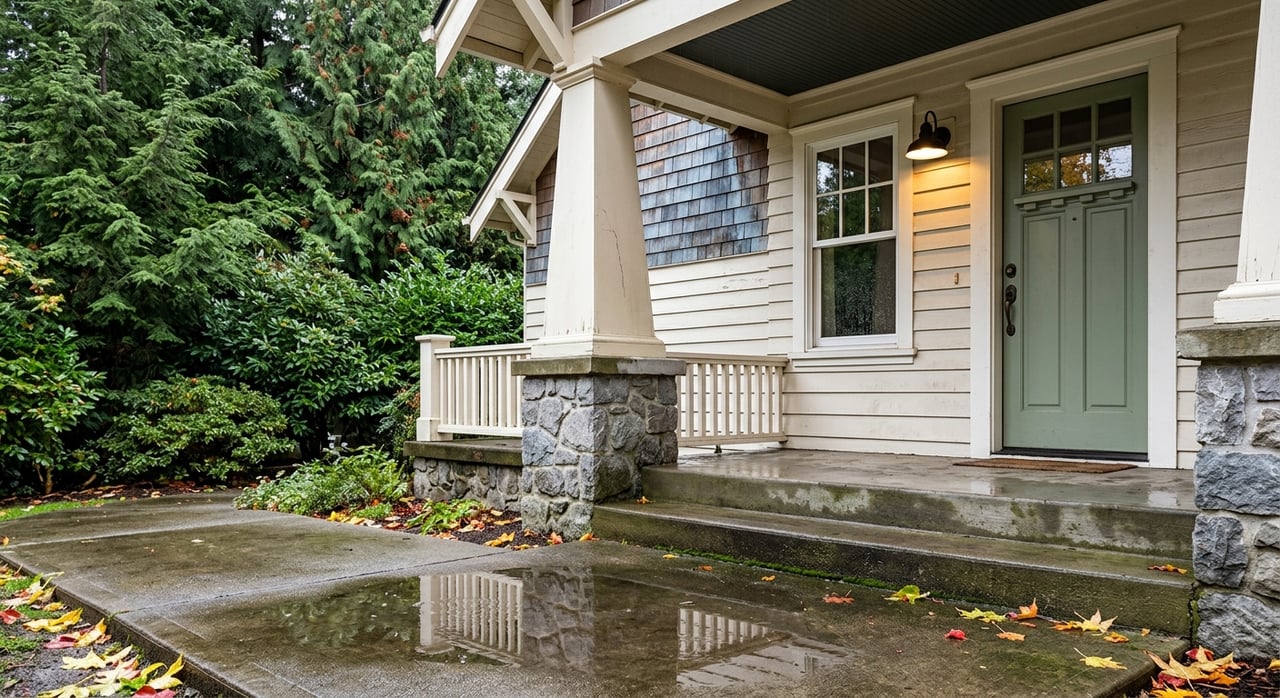
Within the historic district, residential buildings range from the 1860s to the present, with the strongest concentration before 1920. The city lists styles such as Craftsman Bungalow, Queen Anne Victorian, Cottage, Colonial Revival, and Italianate in its Historic District information. If you are drawn to period architecture, front porches, detailed trim, and homes with a strong sense of place, that is a major part of the area’s appeal.
Historic charm versus flexibility
For the right buyer, historic character is a huge advantage. For another buyer, it may come with real tradeoffs. The Historic District is an overlay zone, which means development and exterior changes are reviewed against Historic District Design Standards by the Design Review Board.
That review process can be a benefit if you value architectural consistency and want the surrounding area to retain its historic look. At the same time, if you prefer more freedom to make exterior changes, additions, or material updates, you may want to compare homes inside the overlay with options just outside it. This is one of the biggest practical considerations when you are deciding how close to downtown you want to be.
Newer homes nearby offer another path
If you like the location but want something newer, areas near downtown may be worth watching. Two planning areas are especially relevant. The city says the Pilchuck District is intended to be compact and walkable, while the Midtown District along Avenue D is being planned for redevelopment and future housing and commercial activity, as described on the Pilchuck District planning page.
That matters because it gives you more than one way to live near downtown Snohomish. You may prefer the historic core for charm and architecture, or you may prefer nearby housing that offers a newer layout and potentially lower maintenance. In the Midtown area, the city has already noted one approved project with 115 residential units and 106 townhomes, which shows how the area is evolving.
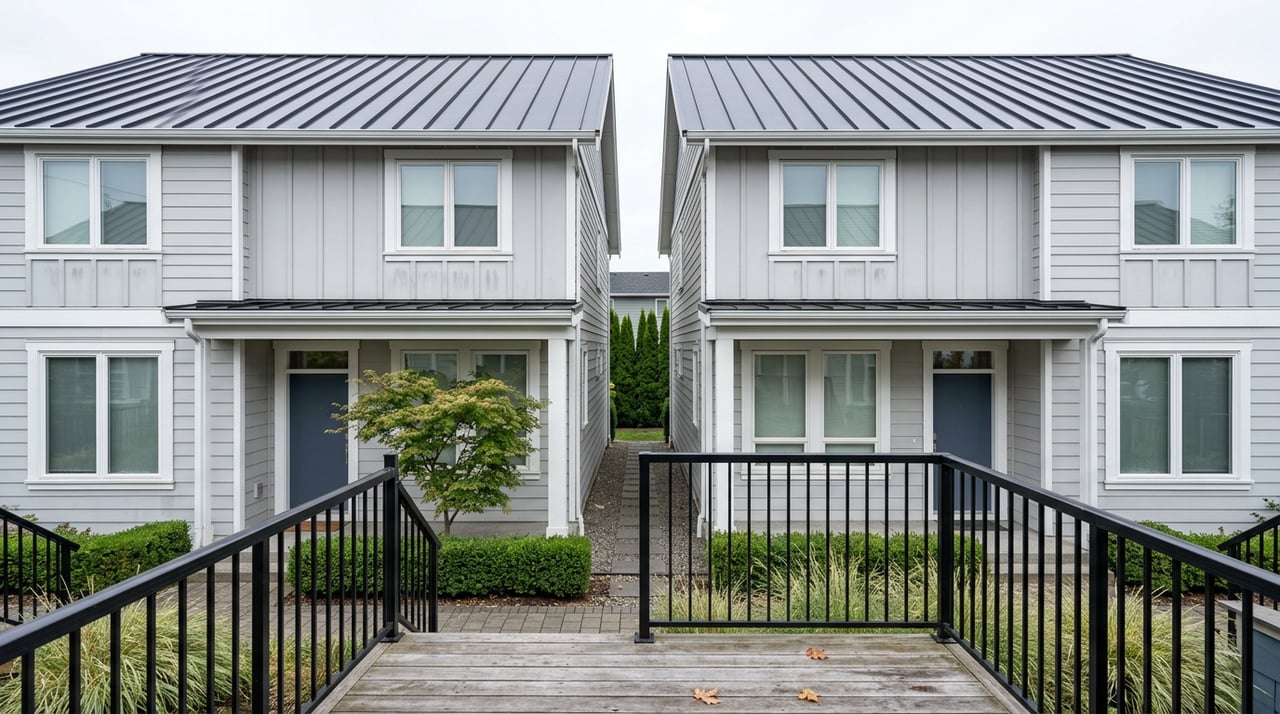
For buyers who want easy access to downtown without the upkeep that often comes with a century-old home, newer townhome or redevelopment opportunities nearby may be a strong fit. This can be especially appealing if you want a lock-and-leave lifestyle or a more modern floor plan.
Commute and access considerations
Location is about more than charm. It is also about how your daily travel will work. One of the main corridors near downtown is Second Street, which connects SR 9 and U.S. Highway 2. The city says in its Second Street Master Plan that this corridor carries about 17,000 vehicles per day.
For you, that means it is smart to think about traffic patterns if you are looking very close to downtown or along major connectors. The city is working to improve safety, parking, and multimodal access in the corridor, which is a positive sign for long-term usability. Still, buyers should expect the tradeoff that often comes with a central location: more convenience and activity, but also more traffic in key spots.
Transit is available, though Snohomish is still more bus-oriented than rail-oriented. Community Transit’s Snohomish guide notes commuter service between the Snohomish Park & Ride and downtown Seattle, with regional bus and vanpool connections as well.
For broader regional travel, Community Transit’s Seattle connections page explains that riders can connect to Link light rail from Lynnwood City Center, Mountlake Terrace, and Shoreline North/185th. If you commute into Seattle, those options can help. If your routine centers on Bellevue or multiple Eastside destinations, the trip is generally more transfer-based and less direct.
Who tends to love this area most
Living near Historic Downtown Snohomish is usually a strong match if you care most about walkability, historic ambiance, local businesses, and river access. Buyers who enjoy older architecture and do not mind some maintenance often see the area’s character as well worth it. The city’s housing data also notes that pre-1939 homes remain a large share of the stock and are predominantly owner-occupied, which fits the profile of buyers who choose the area for long-term lifestyle reasons.
On the other hand, if your top priorities are a highly modern layout, minimal maintenance, or maximum flexibility for exterior changes, you may prefer neighborhoods or newer projects just outside the historic overlay. The good news is that Snohomish gives you both options. You can look for vintage charm near the core or newer housing nearby that still keeps you close to downtown’s amenities.
How to decide if it fits you
As you explore homes near Historic Downtown Snohomish, it helps to ask a few practical questions:
- Do you want to walk to shops, cafes, and local events?
- Are you excited by older architecture, or would newer construction feel easier to manage?
- Would design review standards feel reassuring or restrictive?
- How important is river access and a small-town downtown atmosphere to your daily routine?
- What kind of commute do you need to support?
Your answers will usually make the right choice clearer. In this part of Snohomish, the lifestyle is a big part of the value. The home matters, of course, but so does the setting around it.
If you are comparing historic homes, nearby resale options, or newer townhome opportunities around downtown Snohomish, working with a local expert can help you sort through the tradeoffs and focus on the options that truly fit your goals. When you are ready to talk through the market and your next move, connect with Jenell Steltz.
FAQs
What is Historic Downtown Snohomish known for?
- Historic Downtown Snohomish is known for its preserved 26-block historic district, walkable streets, antique shops, independent retail, food-and-drink businesses, and riverfront setting.
What kinds of homes are near Historic Downtown Snohomish?
- Homes near downtown Snohomish include older historic houses, detached single-family homes from multiple decades, multifamily housing, and some newer residential development nearby.
Are there rules for updating homes in the Historic District?
- Yes. The Historic District is an overlay zone, and certain development or exterior changes are reviewed under Historic District Design Standards by the Design Review Board.
Is downtown Snohomish walkable for daily errands and outings?
- Yes. The city describes the district as intentionally walkable, with sidewalks, alleys, mature street trees, and a compact mix of storefronts and services.
Is there newer housing near downtown Snohomish?
- Yes. Nearby areas such as the Midtown District are being planned for redevelopment, and the city has identified approved residential projects there, including townhomes and other housing units.
How do you commute from Snohomish to Seattle?
- Community Transit operates commuter service from the Snohomish Park & Ride to downtown Seattle, and riders can also connect to regional transit and Link light rail through nearby hubs.