Wondering why one Monroe acreage home gets strong interest right away while another sits for weeks? In today’s market, buyers still show up for well-prepared properties, but they also have more choices than they did during the tightest seller years. If you want to sell well, the goal is not just to tidy up. It is to make your home, land, and systems easy to understand the moment a buyer arrives. Let’s dive in.
Monroe market conditions matter
Monroe remains a seller-favored market, but buyers are more selective than they were when inventory was extremely tight. As of April 2026, Realtor.com reported 128 homes for sale in Monroe, a median listing price of $899,000, a median of 30 days on market, and a 99% sale-to-list ratio. Homes sold for about 1.31% below asking on average.
Countywide, buyers have gained more breathing room too. NWMLS reported Snohomish County active listings were up 50.2% year over year in February 2026, with 2.36 months of inventory. That does not mean acreage homes will not sell. It means preparation matters more because buyers can compare options.
For acreage sellers, that creates a clear strategy. The homes that stand out are the ones that feel usable, cared for, and well-documented. When buyers can quickly understand the house, the land, and the property systems, they are more likely to move forward with confidence.
Acreage buyers look beyond square footage
Selling an acreage property is different from selling a typical suburban lot. Buyers are not only asking whether the home is attractive. They are also evaluating whether the land fits how they want to use it.
Washington State University guidance encourages buyers to walk the full parcel and assess access, adjoining land uses, zoning, and whether the land supports their intended use. In other words, buyers are not shopping by acreage number alone. They want to know what the land actually does.
That is why your preparation should focus on readability. A buyer should be able to pull in the driveway and quickly understand the home site, the yard, the usable open space, the outbuildings, and the overall layout. If the property feels confusing, overgrown, or uncertain, it becomes harder for buyers to picture themselves there.
Start with a property file
Before you clean a single shed or trim a single hedge, gather your paperwork. A simple property file can save time, reduce stress, and answer buyer questions early.
Helpful items to collect include:
- A property map or site plan
- Well log or available well records
- Septic records
- Permits for additions or outbuildings
- Maintenance and repair receipts
- Easement or access information
This matters because rural buyers often want to understand what is on the parcel and how the systems work before they commit. A complete file also helps your listing feel more credible and organized from day one.
Make the land easy to read
One of the biggest mistakes acreage sellers make is assuming buyers will see past overgrowth, rough access, or scattered storage. On acreage, buyers are expected to walk the property and assess access, surrounding uses, and drainage. If the land is hard to read, they may miss its value.
Focus on simple visual clarity. Mow tall grass, remove scrap and debris, trim brush along key sightlines, and make paths or open areas easier to access. If you have fencing or gates, repair the sections that look broken or neglected.
This does not mean your property needs to look overly manicured. It means buyers should be able to understand the usable footprint without guessing. Clean lines and open visibility help the land show better in person and in photos.
Put extra attention on the driveway arrival
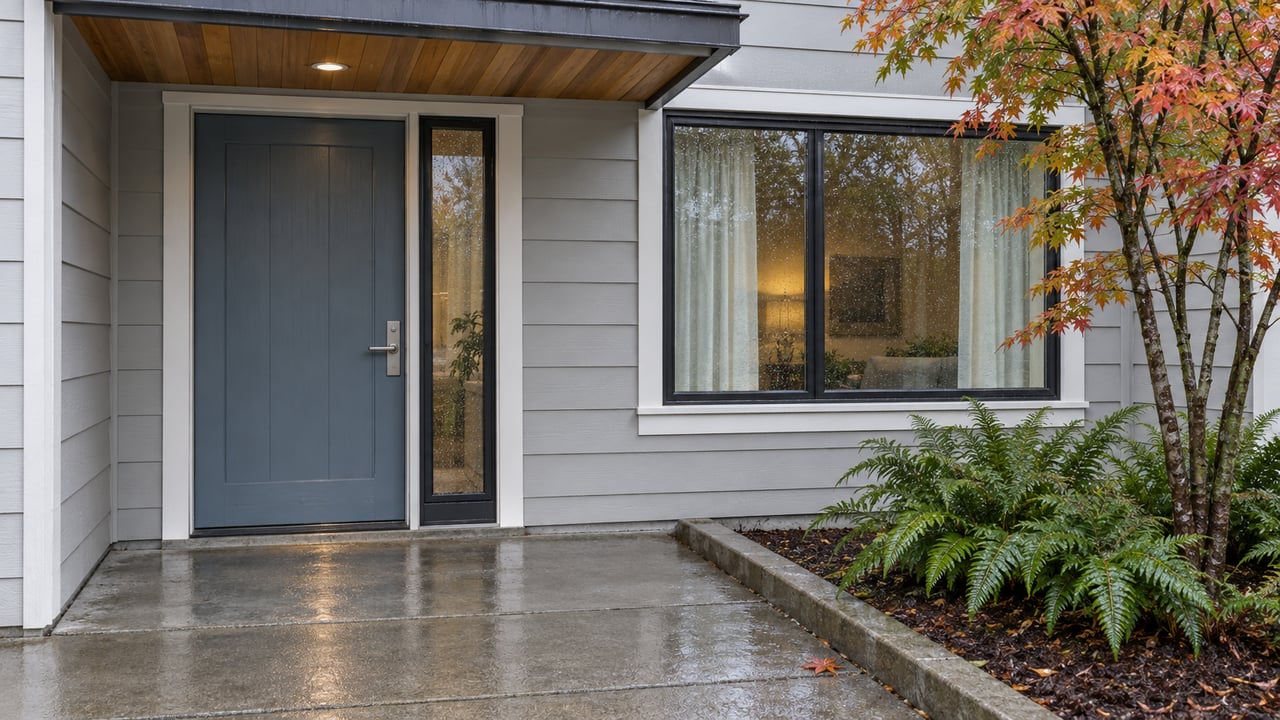
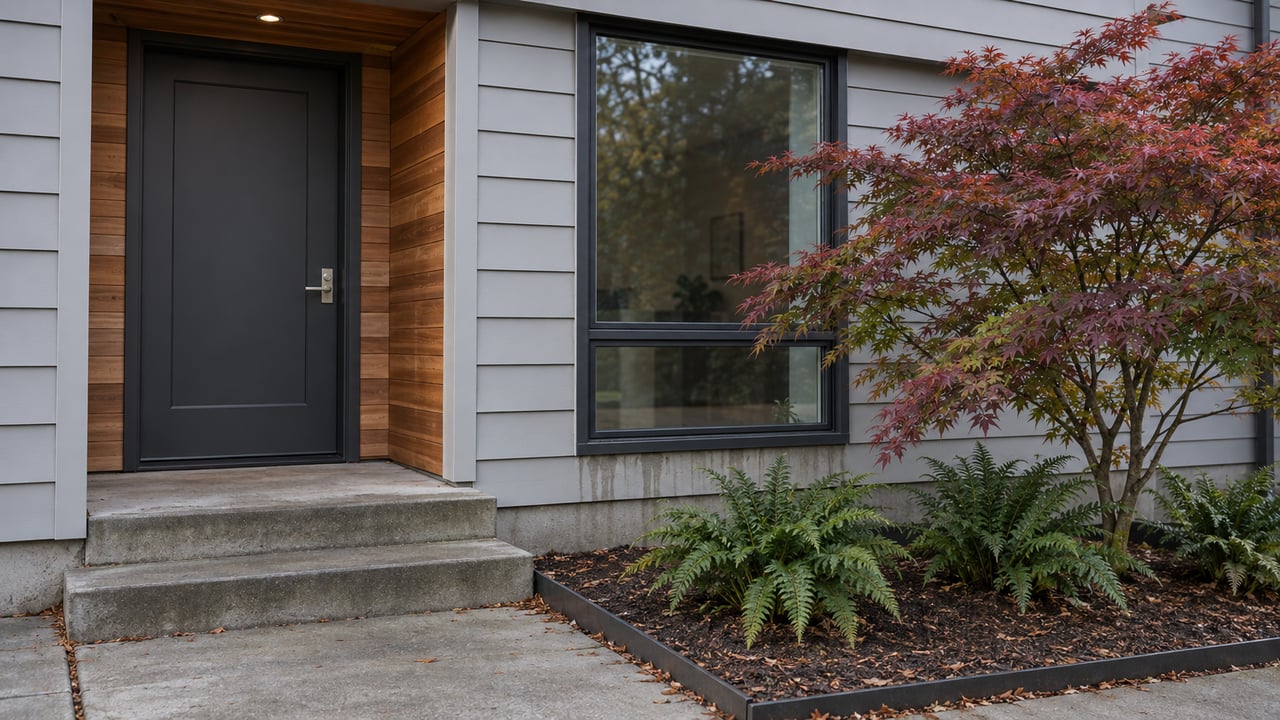
First impressions matter even more on acreage properties because the approach sets the tone. The driveway often gives buyers their first clue about privacy, maintenance, and how the property lives.
If branches scrape vehicles, potholes are severe, or entry gates are damaged, buyers may start the showing with concerns. Clearing sightlines, cleaning up the entrance, and making arrival feel orderly can change the entire showing experience. For road-front or edge-of-subdivision parcels, honest presentation of buffers, tree lines, and the true feel of the land is especially important.
Declutter every outbuilding
Outbuildings can add real value, but only if buyers see them as useful. Clemson Extension notes that rural buyers often pay a premium for a good house, a small barn, and other practical outbuildings, but too many structures or poorly maintained ones can work against you.
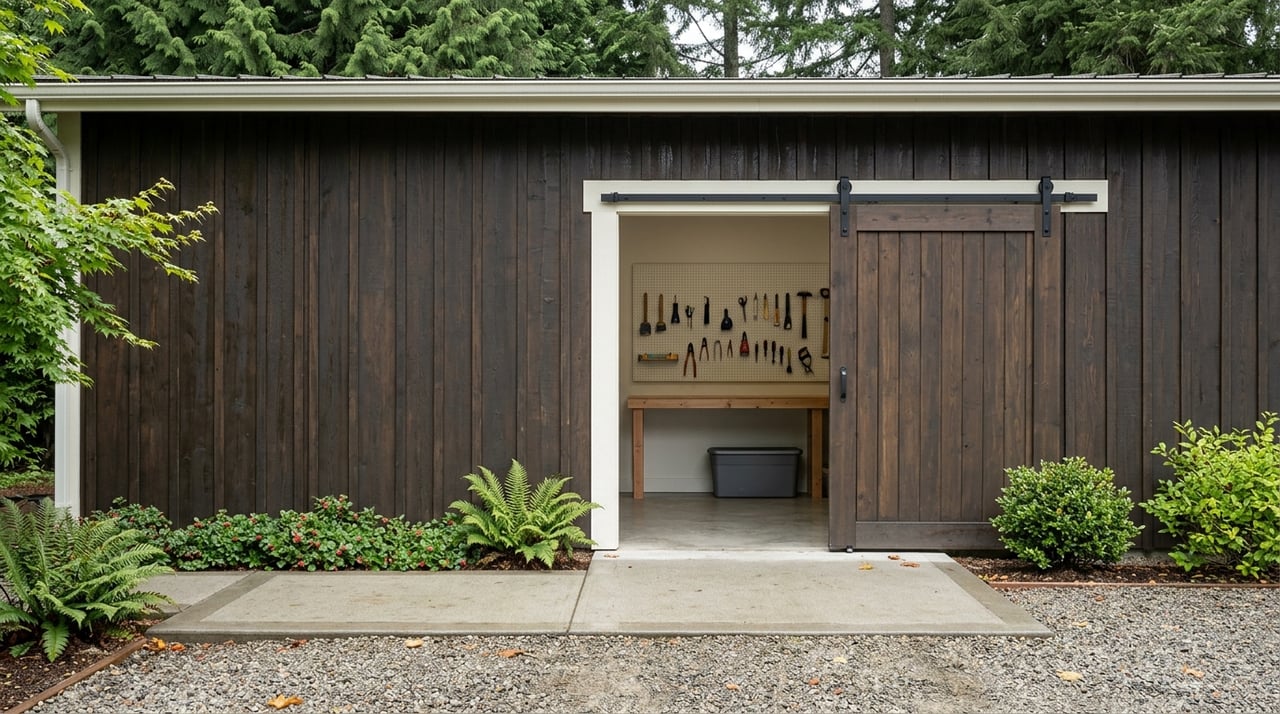
That is why each structure should feel intentional. A detached garage should read as functional storage or workspace. A barn should look like it has a purpose. A shed should not feel like a place where years of overflow ended up.
Before listing, walk through each structure and ask a simple question: what is this space for? Then remove anything that keeps a buyer from seeing that answer clearly.
Verify accessory structures early
In Snohomish County, accessory buildings fall into permit categories, and even some permit-exempt structures still have to meet setbacks and other rules. You do not want a buyer to discover uncertainty about a shed, shop, greenhouse, or addition after the home hits the market.
Review what records you have and verify what needs clarification before listing. Some structures may be fine, but you should not assume every building on the parcel is automatically market-ready. Early verification helps you avoid surprises during due diligence.
Handle septic before buyers ask
If your Monroe acreage home has a septic system, this step should be high on your list. Snohomish County Health says septic inspections are now required for transfers involving septic systems under a new state law. The inspection must be completed by a certified septic professional, tanks must be pumped if required, and the inspection can be completed up to one year before closing.
The practical takeaway is simple: schedule this early. Waiting until a buyer asks can slow your timeline and add stress to negotiations. Completing this step ahead of listing shows buyers you are serious and prepared.
Review well records and water testing
Water is one of the biggest questions acreage buyers have. Snohomish County Health says there is no state or local inspection requirement for an existing well in a real estate transaction, but lenders may still require inspection or water-quality sampling.
County and state guidance also says private well owners are responsible for testing the water. Routine testing often focuses on coliform bacteria and nitrate, and Snohomish County’s homebuyer handout lists coliform bacteria, nitrate, and arsenic as the minimum samples to review.
Even when testing is not legally required before listing, having recent information can make your property easier to evaluate. Buyers tend to feel more comfortable when records are available and the basics are already understood.
Address drainage and wet spots
Acreage buyers notice standing water, muddy paths, erosion, and low areas right away. WSU drainage guidance notes that gutters, berms, swales, French drains, and dry wells can help reduce mud, standing water, and erosion.
You do not need to overengineer the property for the sale. But if known drainage issues affect access, appearance, or usability, addressing them before listing can improve buyer confidence. At a minimum, make sure wet areas are not hidden and that the property presents as responsibly maintained.
A site plan can also help buyers understand drainage pathways, structures, driveways, septic, well locations, trees, and setbacks. That kind of clarity can be especially helpful on larger or more complex parcels.
Control weeds and visual clutter
Weed control is not just a cosmetic issue. Snohomish County says landowners are responsible for controlling noxious weeds on property they own or manage, and the county can step in and bill the owner if necessary.
From a selling standpoint, overgrown invasive plants and neglected field edges make a property feel harder to maintain. Cleaning these areas up improves presentation and helps buyers focus on the land’s potential instead of its problems.
Stage the house like it is the star
Even on acreage, the house still matters most. NAR’s 2025 staging report found that 29% of agents said staging produced a 1% to 10% increase in the dollar value offered, and 49% said staging reduced time on market. The most common seller recommendations were decluttering, cleaning, and improving curb appeal.
NAR also found that the rooms most often staged are the living room, primary bedroom, dining room, and kitchen. That matters because buyers may come for the land, but they still decide emotionally based on how the home feels.
This is where thoughtful, hands-on preparation can really pay off. If the home feels clean, bright, and move-in ready, buyers are more likely to view the acreage as a bonus instead of a project.
Plan photos around usable land
Photos and virtual marketing are especially important for acreage homes. NAR reported that photos, videos, and virtual tours rank highly in the selling process.
For your Monroe property, that means your media should do more than capture pretty views. It should help buyers understand the driveway arrival, main yard, open usable areas, and the best-functioning outbuildings. Clear visuals reduce confusion and help the right buyers decide to schedule a showing.
Answer the questions buyers already have
Most Monroe acreage buyers are trying to solve the same set of unknowns. If you prepare for those questions in advance, your listing will feel stronger.
Common buyer questions include:
- How much of the acreage is truly usable?
- Are there slopes, wetlands, drainage limits, or setbacks to consider?
- Are the outbuildings permitted and functional?
- Do well and septic records exist?
- How easy is the parcel to access and maintain?
- What does the property actually feel like beyond the driveway?
Your prep work should aim to answer these questions before they become objections.
Build a simple timeline
If you are six to twelve months from listing, start earlier than you think. Septic work, well testing, drainage improvements, weed control, and permit research can all take time.
A practical sequence often looks like this:
- Gather records and build your property file
- Verify questions around outbuildings or additions
- Schedule septic inspection and any needed pumping
- Review well records and consider water testing
- Tackle drainage, weeds, and access issues
- Declutter the home and outbuildings
- Stage the main living areas and improve curb appeal
- Capture strong marketing photos once the property is fully ready
This kind of project plan helps you avoid rushed decisions and gives you a better chance of bringing the property to market in its best light.
The goal is confidence
Preparing your Monroe acreage home to sell well is really about one thing: buyer confidence. Buyers do not need perfection, but they do need clarity. When the house shows well, the land feels usable, the systems are documented, and the outbuildings make sense, your property becomes easier to value and easier to say yes to.
That is exactly where strong listing strategy matters. With the right preparation, pricing, and presentation, acreage homes can stand out even when buyers have more choices.
If you are thinking about selling and want a practical plan for what to do first, Jenell Steltz can help you map out the smartest prep steps to maximize presentation and net proceeds.
FAQs
What should you fix first before selling a Monroe acreage home?
- Start with records, septic, well information, access, drainage, weed control, and any obvious outbuilding or permit questions before moving on to staging and photos.
Does a Snohomish County septic system need inspection before a home sale?
- Yes. Snohomish County Health says septic inspections are required for transfers involving septic systems, and the work must be completed by a certified septic professional.
Does an existing well in Monroe need inspection before selling?
- Not automatically. Snohomish County Health says there is no state or local inspection requirement for an existing well in a sale, but lenders may still require sampling or other review.
What do buyers look for on a Monroe acreage property?
- Buyers often focus on usable land, access, drainage, surrounding land uses, well and septic records, and whether outbuildings are functional and appropriate for the parcel.
Is staging worth it for an acreage home sale?
- Yes. NAR’s 2025 staging report found that staging can help increase offers and reduce time on market, especially when paired with decluttering, cleaning, curb appeal, and strong photos.
How far ahead should you prepare a Monroe acreage home for sale?
- If possible, begin six to twelve months before listing because septic scheduling, well testing, drainage work, weed control, and permit research can take longer than expected.