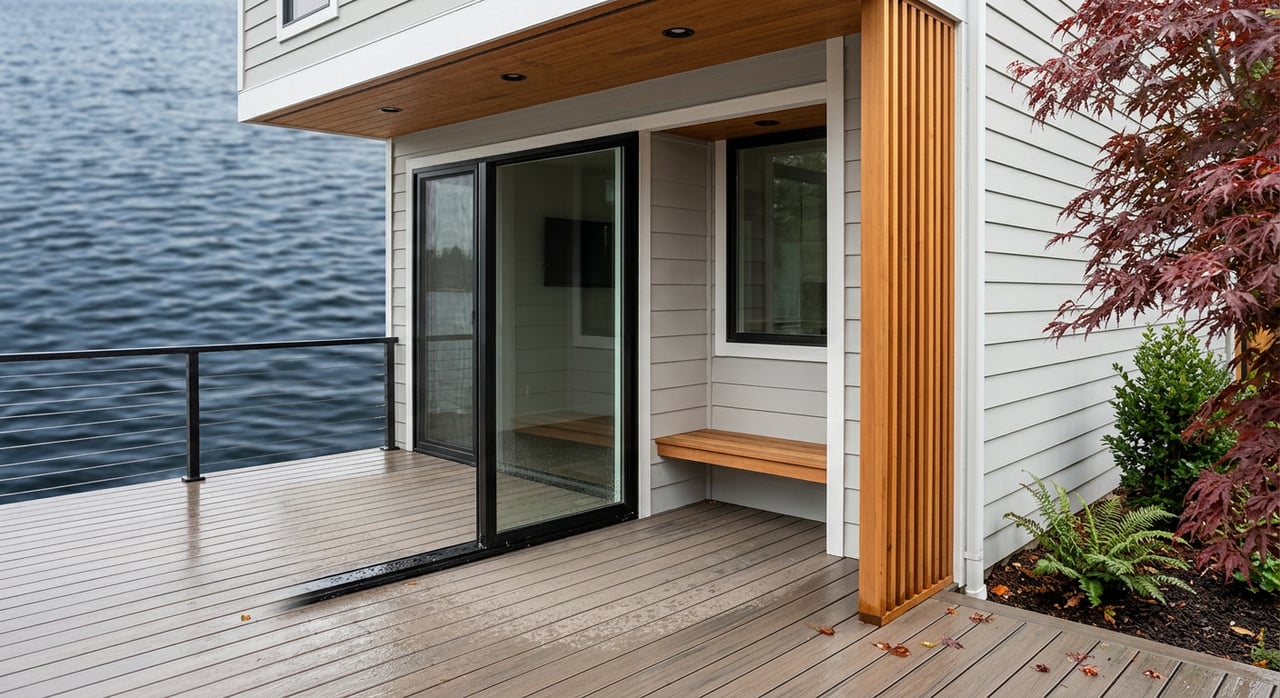
Imagine stepping onto your deck with coffee in hand and watching the morning light sweep across Lake Stevens. Whether you want direct water access, a sweeping view, or a short walk to the beach and boat launch, you have great options around the lake. In this guide, you’ll learn the real differences between waterfront, lake‑view, and near‑lake living, plus where the action happens, what to expect by season, and what to check before you buy. Let’s dive in.
What counts as waterfront, lake view, and near‑lake
True waterfront
True waterfront means your parcel reaches the lake’s ordinary high‑water mark or includes a deeded riparian strip. These lots often fall within shoreline jurisdiction, which brings specific permit rules for docks, landscaping, and construction under the City’s Shoreline Master Program. The upside is direct access and potential private moorage. The tradeoff is higher cost, more maintenance, and added permitting steps.
Lake‑view homes
Lake‑view homes sit uphill or across the street with visual access to the water. Your lot usually does not fall under shoreline jurisdiction, so the City’s shoreline rules may not apply to your property. You enjoy the views without most waterfront responsibilities. For swimming and launching, you’ll use public parks and ramps.
Near‑lake with easy access
Near‑lake living puts you within a short walk or quick drive to beaches, parks, and boat launches. You get the lake lifestyle and community events without dock upkeep or shoreline permits. This can be a cost‑effective way to enjoy daily lake access and amenities.
Quick lake facts that shape daily life
Lake Stevens is Snohomish County’s largest natural lake, with roughly 1,000 surface acres, a maximum depth near 150 feet, and shoreline length reported around 7.1 miles. Tributaries include Stevens, Lundeen, Kokanee, and Stitch creeks, and the lake drains to Catherine Creek and the Pilchuck River. Public documents characterize recreational use as heavy in warm months, which affects boating traffic and shoreline activity levels. You can review these basics in the county’s lake assessment summary.
Where lake life happens
North Cove Park: downtown hub
North Cove is the civic waterfront with a plaza, pier, boardwalk, farmers market, and seasonal programming. It also sits by the municipal boat launch and serves as the backdrop for major community events. Explore features and event updates on the North Cove Park page.
Lundeen Park: swim beach and pier
Lundeen Park offers a popular swim beach, non‑motorized dock, playground, picnic shelters, and trails along a salmon‑spawning creek. Summer rentals and concessions often pop up, making it a lively warm‑weather spot. Get details on amenities at the Lundeen Park page.
County launches and west‑shore access
Snohomish County maintains additional lake access points, including primary boat ramps and swim areas on the west and east shores. Most trailered boats launch from the county ramp or the City’s downtown launch near North Cove. The county’s lake assessment summarizes these access nodes.
Recreation and seasonality
Boating, paddling, and swimming
Warm months bring powerboating, waterskiing, wakeboarding, paddleboarding, kayaking, shoreline fishing, and swimming. Weekdays are typically calmer than weekends in peak season. In fall and winter, the lake tends to quiet down, making for peaceful views and less boat traffic.
Fishing highlights
Lake Stevens supports kokanee, rainbow trout, largemouth and smallmouth bass, yellow perch, and brown bullhead. Kokanee are a key draw, and state resources list public access points and seasons. Review species and access notes on the Washington Department of Fish and Wildlife’s lake page.
Events and busy weekends
Aquafest is a marquee summer event centered near North Cove, with boat activities, concerts, and fireworks that bring big crowds. Expect higher traffic and more noise during festival days and sunny weekends. See recent highlights in the local Aquafest event recap.
Water quality and shoreline care
Restoration progress and clarity
The lake has seen ongoing restoration, including aeration and alum treatments since 2013, which have improved summer water clarity. Agencies continue to monitor nutrient inputs and promote best practices like reduced fertilizer and shoreline plantings. Learn more on the county’s Lake Stevens Restoration program page.
Shoreline conditions and maintenance realities
A recent shoreline survey found that nearly 85% of native shoreline vegetation has been replaced with lawns, and over 87% of the shoreline has some form of armoring. That affects erosion risk, habitat, and long‑term maintenance for waterfront owners. The county recommends exploring soft‑shore approaches where feasible, outlined on the restoration page.
Health advisories you should check
Harmful algal blooms can appear during warm or stagnant conditions and may prompt temporary advisories or closures. Before planning a swim, check the latest public health updates through the state’s cyanobacteria and HAB resources. Always follow posted signage at local parks.
Buyer checklist and permits
Shoreline rules and private docks
If a property sits within 200 feet of the lake’s ordinary high‑water mark, shoreline jurisdiction applies. The City’s Shoreline Master Program regulates new construction, shoreline stabilization, docks, and landscaping. Private recreational docks also fall under state standards, which may require design limits and, in some cases, DNR authorization. Review the state rules in WAC 332‑30 before assuming a new dock is allowed.
Utilities: sewer vs. septic
If a lot is near an existing public line, City code can require a connection to the sewer system. Verify whether a property is on septic or sewer, and whether future tie‑in or extension fees might apply under the municipal code. You can read the connection rules in Chapter 6.16 of the Lake Stevens Municipal Code.
Floodplain, elevation, and insurance
Some waterfront parcels may be in the 100‑year floodplain or have localized hazards. Confirm FEMA mapping, request an elevation certificate if needed, and talk with your insurance provider about NFIP or private coverage. The county’s lake assessment references FIRM maps used in permitting.
Access and moorage questions to ask
Public ramps and day‑use docks handle most launching, while long‑term moorage is limited and often private. If a property includes a dock, confirm it was permitted correctly. If access is shared, verify any recorded easements or HOA documents. For general public fishing and launch locations, consult the WDFW Lake Stevens page.
How to verify fast
- City Planning: request a shoreline jurisdiction check and review the Shoreline Master Program.
- Washington DNR: confirm aquatic‑land requirements for docks and any lease needs under WAC 332‑30.
- WDFW: review public launches and species details for fishing trips.
- WA Department of Health: check cyanobacteria advisories before swimming.
- Title and plat: verify recorded easements, shared docks, or community access.
Choosing your best fit
If you want private water access and are comfortable with more upkeep and permitting, true waterfront can be a great match. If views are your priority and you prefer lower maintenance, lake‑view offers the scenery without shoreline responsibilities. If you value convenience and cost control, a near‑lake home close to parks and launches delivers everyday access and community events.
When you are ready to compare options, walk the shoreline, and understand the permit path, reach out for local guidance. With an advisor who knows the parks, events, and shoreline rules, you can choose the lifestyle that fits your budget and routine.
Ready to explore Lake Stevens living or position your current home for the best results? Connect with Jenell Steltz for neighborhood insight, listing strategy, and buyer representation tailored to your goals.
FAQs
What is considered true waterfront on Lake Stevens?
- A lot that reaches the lake’s ordinary high‑water mark or includes a deeded riparian strip, typically under the City’s Shoreline Master Program rules.
Do lake‑view homes fall under shoreline permits?
- Usually no, because the parcel does not touch the water. Most shoreline permits apply within 200 feet of the ordinary high‑water mark.
Where are the main public boat launches on Lake Stevens?
- The primary launches are at the City’s downtown area near North Cove and at Snohomish County’s west‑shore facilities, plus swim areas at city and county parks.
What fish species are in Lake Stevens?
- Kokanee, rainbow trout, largemouth and smallmouth bass, yellow perch, and brown bullhead are common, with kokanee a standout draw.
How busy does the lake get in summer?
- Expect heavy recreational use on sunny weekends and during events like Aquafest, with much calmer conditions on weekdays and in cooler months.
Should I worry about harmful algal blooms?
- Blooms can occur seasonally and may prompt temporary advisories. Check current health guidance and follow posted signs before swimming.