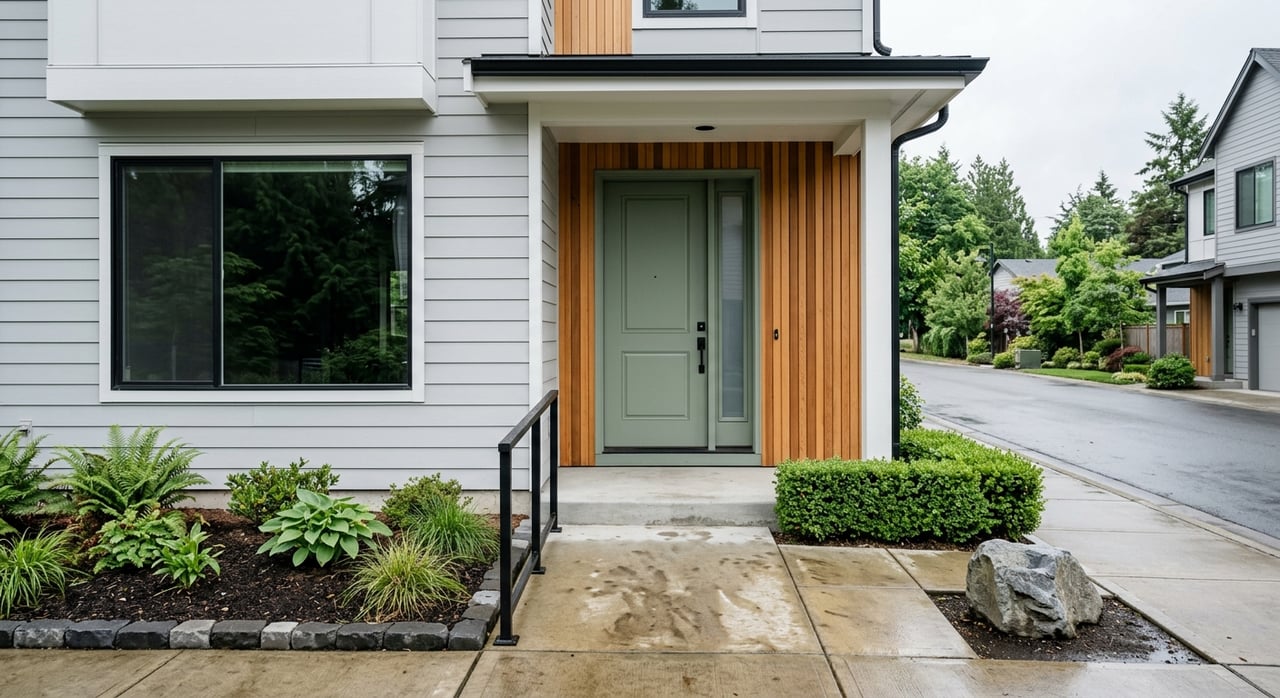
Wondering what Bothell actually feels like day to day? That is often the biggest question when you are deciding where to buy, when to sell, or when to narrow your home search. Bothell has a little bit of everything, from walkable riverfront blocks to quieter hillside neighborhoods, and understanding those differences can help you make a smarter move. Let’s dive in.
Why Bothell Feels Different Block to Block
Bothell is not a one-note suburb. The city spans both King and Snohomish counties and combines a residential feel with several concentrated hubs for dining, shopping, work, and community activity.
According to the city, Bothell has about 50,670 residents, around 25,000 jobs, and 13.66 square miles. Housing remains mostly low-density residential, with roughly 65% of households owning their homes in 2021 and a little over half of housing units being single-family homes. In everyday terms, that means you can still find a classic suburban rhythm here, even as some areas become more mixed-use and active.
Downtown Bothell Vibe
Downtown Bothell is the part of the city that feels most walkable and most visibly changed. Over the last 15 years, the city says downtown has evolved into a place to live, work, play, learn, and gather, with a stronger focus on compact housing, restaurants, retail, arts, and public connections.
If you like being near cafés, restaurants, brew pubs, riverfront paths, and local events, downtown may be the version of Bothell that stands out most. Main Street improvements and pedestrian-friendly flex zones support outdoor dining and retail, and newer apartments and townhomes add to the more urban feel.
For buyers, downtown can appeal if you want lower-maintenance living and easier access to daily activities on foot. For sellers, homes here often tell a lifestyle story centered on convenience, energy, and proximity to the riverfront and gathering spaces.
What everyday life feels like downtown
Daily life in downtown Bothell tends to feel more connected and event-driven than in other parts of the city. You are closer to Bothell Landing, the Sammamish River, and the restaurants and storefronts that create a more active street scene.
The city also hosts recurring events that reinforce that sense of place. Signature community events include the Fourth of July Parade, Summer Nights in Bothell, Youth Summer Entertainment, Trick-or-Treat on Main Street, and Arbor Day, with the Hometown Celebration drawing thousands downtown each year.
Canyon Park and North Creek
Canyon Park and North Creek offer a different kind of convenience. These areas are shaped more by employment centers, major roads, retail access, and transit connections than by the riverfront downtown setting.
Canyon Park sits at the I-405 and SR 527 intersection and is identified by the city as a Regional Growth Center. North Creek blends business parks, retail, and housing, giving the area a practical feel for people who want quick access to services and regional commuting routes.
If your day-to-day routine involves driving to work, using transit, or staying close to errands, these areas can feel especially functional. You will find groceries, restaurants, medical offices, hotels, banks, and other everyday amenities layered into the surrounding area.
Why Canyon Park feels commuter-friendly
Transit is a major part of Canyon Park’s identity. Community Transit says Canyon Park Park & Ride is a Swift Green Line stop with service every 10 to 20 minutes, and the city notes that both Canyon Park Park & Ride and Bothell Park & Ride are major transit hubs.
Bothell as a whole is served by Community Transit, King County Metro, and Sound Transit. Current options include local buses, express buses, vanpool, DART paratransit, and Swift bus rapid transit, with connections to UW Bothell/Cascadia, Lynnwood, Everett, and Bellevue.
Sound Transit’s future Stride BRT service adds another layer to the long-term picture. The S3 line between Shoreline and Bothell is planned for 2028 service, and the S2 line between Lynnwood and Bellevue is planned for 2029 service.
Campus and Beardslee Feel
The Campus and Beardslee area has its own rhythm. With UW Bothell and Cascadia College nearby, this part of Bothell often feels a little newer, a little more active during the day, and more centered around apartments, restaurants, and walkable daily conveniences.
For buyers considering townhomes, apartments, or newer-construction options nearby, this area can be worth a closer look. It offers a more built-up environment than the hillside neighborhoods, but it still feels less dense than a fully urban setting.
This is also one reason Bothell appeals to a wide range of buyers. You can find places that support a lower-maintenance lifestyle without giving up the broader suburban feel that defines much of the city.
Hillside Neighborhoods and Residential Areas
If your idea of home leans more peaceful, wooded, and traditional, Bothell’s hillside neighborhoods may feel like the best fit. Areas such as Maywood/Beckstrom Hill, Waynita/Simonds/Norway Hill, and Westhill are more residential and generally have less commercial activity.
These parts of Bothell are where you are more likely to feel the city’s quieter side. The streets, slopes, wetlands, and mature surroundings shape the pace and layout, and the overall character is less about mixed-use living and more about established neighborhood patterns.
Maywood and Beckstrom Hill
Maywood and Beckstrom Hill include some of Bothell’s older homes. Much of the housing dates to the late 1950s and 1960s, and commercial development is limited, which helps preserve a classic residential feel.
For buyers, this can mean more of the traditional subdivision experience. For sellers, the appeal often comes from established lots, mature landscaping, and a setting that feels tucked away from the busiest commercial areas.
Waynita, Simonds, and Norway Hill
Waynita/Simonds/Norway Hill is predominantly residential with very little commercial development. The hills and valleys affect how streets connect, so the area can feel more insulated and less pass-through than flatter, more connected parts of the city.
That geography is part of the lifestyle here. You may trade some direct route options for a quieter, more tucked-in neighborhood setting.
Westhill
Westhill also leans residential, with steep slopes and wetlands helping shape development patterns. The area allows low-to-moderate density residential use, with some commercial or multifamily redevelopment along SR 522.
In practical terms, Westhill can offer a balance between residential living and corridor access. That mix may appeal if you want a quieter home setting without feeling too far from major routes.
Parks, Trails, and Outdoor Access
One of the strongest parts of everyday life in Bothell is access to outdoor space. Bothell Parks & Recreation says the city maintains about 400 acres of parkland and open space, including trails, playgrounds, fields, shelters, courts, and historic facilities.
The standout riverfront spaces are Park at Bothell Landing and Blyth Park. The city calls Bothell Landing its crown jewel and premier park, while Blyth Park is Bothell’s oldest parkland, and both connect to the Sammamish River and Burke-Gilman trail system.
That trail access matters in daily life. Whether you like walking, running, biking, or just having an easy place to get outside, these connections add real value to how Bothell feels beyond the walls of your home.
More places to get outside
Beyond the riverfront anchors, Bothell includes North Creek Forest’s informal trails and wetlands, East Norway Hill Park’s wooded trails and open field, and the North Creek sports fields and Wayne Open Space near the river corridor. These spaces help balance the city’s growing mixed-use areas with a distinctly Pacific Northwest outdoor feel.
For many buyers, this is part of Bothell’s practical appeal. You get neighborhood living, regional access, and meaningful open space in the same city.
Dining, Shopping, and Daily Convenience
Bothell feels convenient without feeling fully urban. Dining and shopping are concentrated in a few key areas, especially downtown, Canyon Park, and Campus/Beardslee, rather than spread evenly across every neighborhood.
That pattern matters when you compare homes. Some locations put you close to restaurants, stores, and errands, while others offer more privacy and residential quiet but require a bit more driving.
This is why neighborhood fit matters so much in Bothell. Two homes with similar square footage can support very different day-to-day lifestyles depending on whether they are near Main Street, close to Canyon Park, or tucked into the hills.
What Buyers Should Notice
If you are shopping in Bothell, start by thinking about your routine before you focus only on the house itself. Do you want walkability, easier commuting, low-maintenance newer housing, or a more traditional neighborhood setting with fewer commercial uses nearby?
Bothell is a city of contrasts. Downtown is walkable and urbanizing, Canyon Park and North Creek are employment-oriented and transit-connected, and the hill neighborhoods are quieter, older, and more residential.
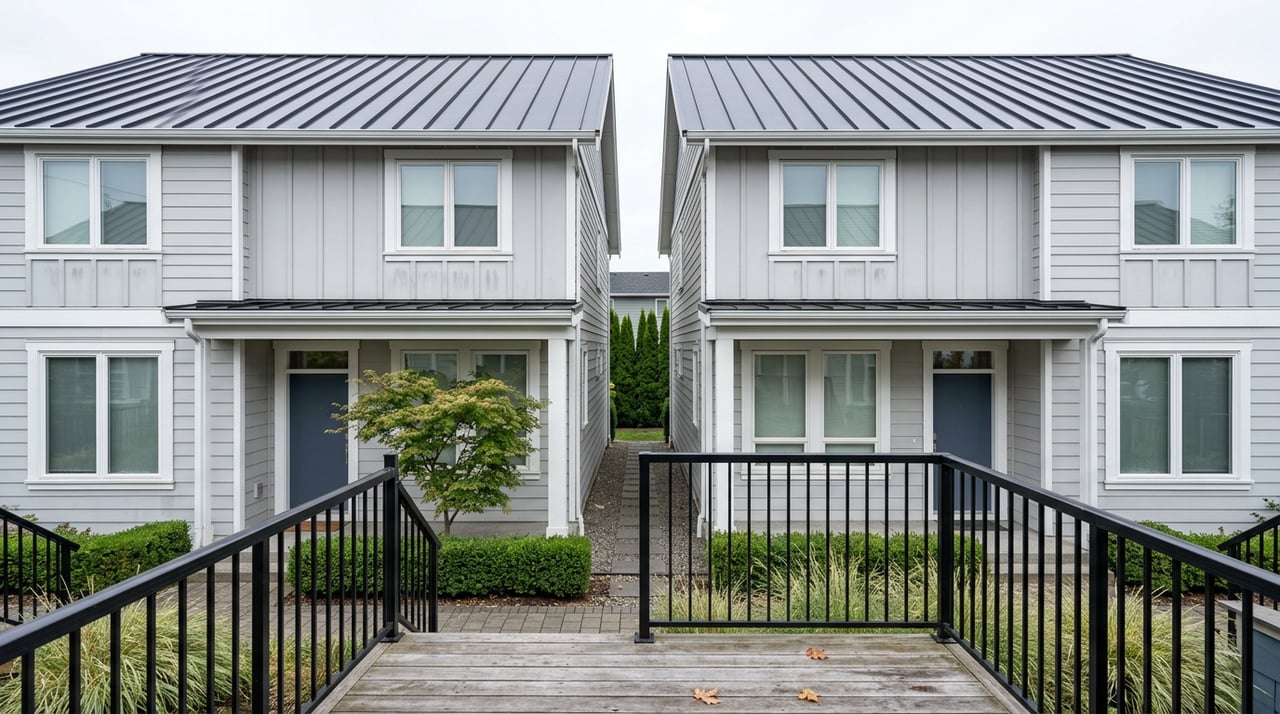
For buyers looking at townhomes or newer construction, Bothell can be especially appealing because some areas offer modern housing options near daily amenities. That is where local guidance can make a difference, especially when you are comparing one micro-neighborhood to another.
What Sellers Should Highlight
If you are selling in Bothell, the most effective marketing angle often depends on your specific location. A home near downtown may be best positioned around walkability, riverfront access, and proximity to dining and events, while a home in a hillside area may resonate more through privacy, established surroundings, and a classic residential feel.
That kind of neighborhood-specific positioning matters because Bothell is not defined by just one lifestyle. Buyers are often choosing between several versions of everyday living here, and clear presentation helps them see what makes your home stand out.
This is where thoughtful prep and strong marketing can help sellers compete more effectively. When the story matches the setting, buyers can connect more quickly with the value of the home.
The Bottom Line on Bothell Living
Bothell works well for people who want options. You can find riverfront energy, commuter convenience, outdoor access, quieter residential pockets, and a mix of older homes and newer housing depending on where you look.
The biggest takeaway is simple: Bothell is best understood neighborhood by neighborhood. If you take time to compare the vibe, access, and daily rhythm of each area, you will be in a much better position to buy wisely or market your home well.
If you are thinking about buying a townhome, exploring newer construction, or preparing to sell in Bothell, working with a local agent who understands how each pocket of the city lives can make the process much clearer. When you are ready for a personalized strategy, connect with Jenell Steltz.
FAQs
What is everyday life like in downtown Bothell?
- Downtown Bothell feels more walkable, riverfront-oriented, and event-driven, with restaurants, cafés, outdoor dining areas, and newer housing near Main Street and Bothell Landing.
What is the Canyon Park area like in Bothell?
- Canyon Park feels more commuter-friendly and convenience-focused, with major road access, transit hubs, retail, restaurants, and other everyday services near I-405 and SR 527.
Which Bothell neighborhoods feel more residential?
- Maywood/Beckstrom Hill, Waynita/Simonds/Norway Hill, and Westhill generally feel quieter and more residential, with less commercial development and a more traditional suburban setting.
Does Bothell have good parks and trails?
- Yes. Bothell maintains about 400 acres of parkland and open space, including Bothell Landing, Blyth Park, North Creek Forest, East Norway Hill Park, and trail connections along the Sammamish River corridor.
Is Bothell good for buyers looking for townhomes or newer homes?
- Bothell can be a strong option for buyers seeking lower-maintenance living, especially in areas near downtown and Campus/Beardslee where newer apartments and townhome-style housing are part of the mix.