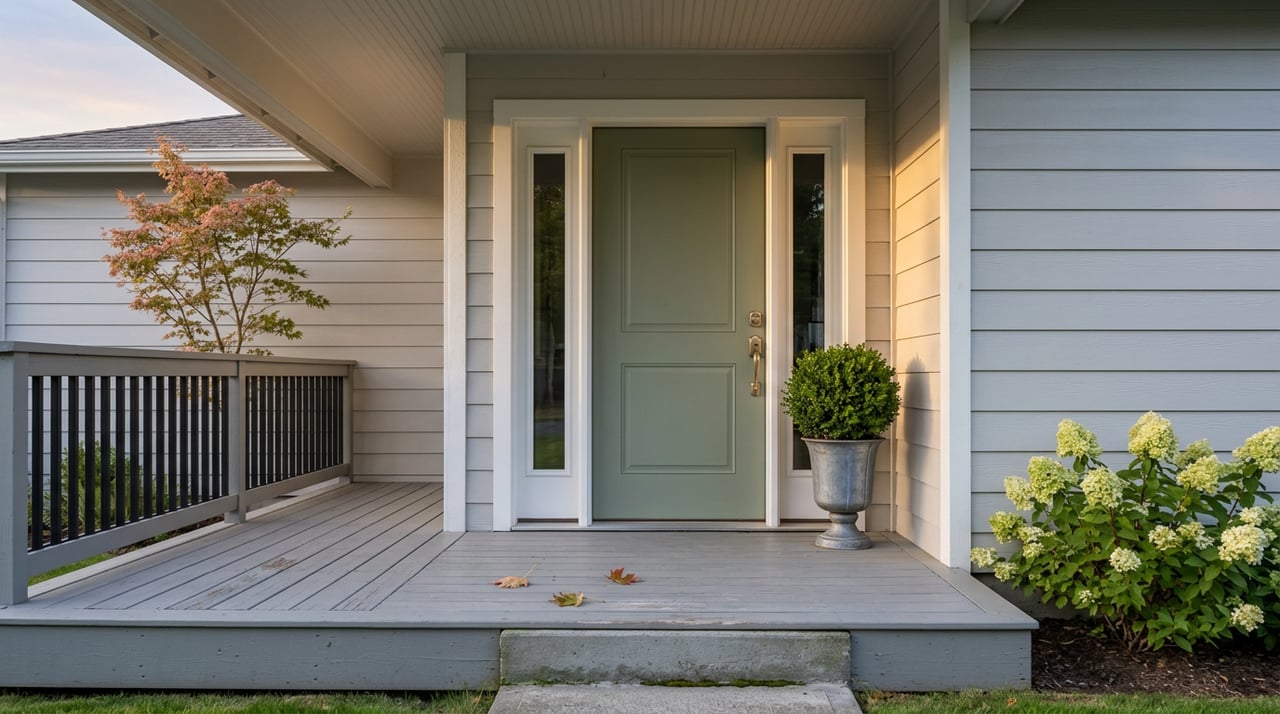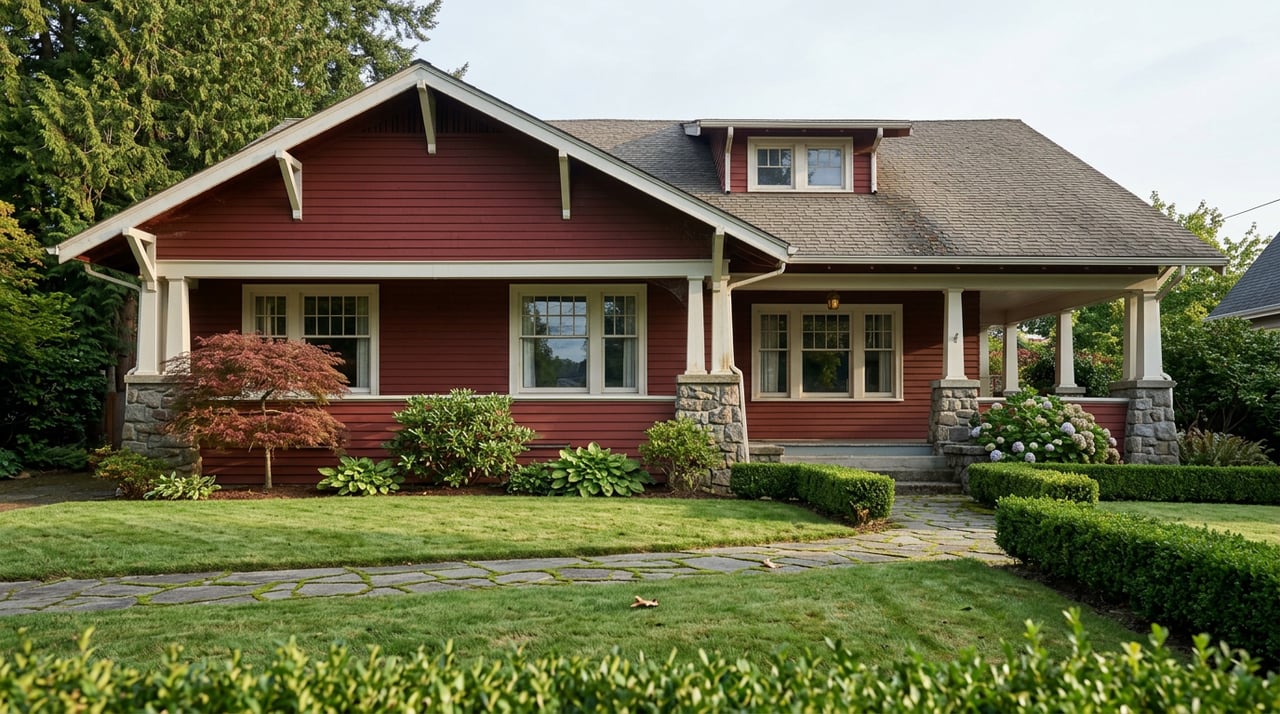
A homeowner on one of Snohomish's historic blocks near First Street spends a decade watching the county assess her 1904 Craftsman at a fraction of what a comparable remodel would normally trigger. The kitchen addition, the rewired panel, the new foundation under the porch, none of it shows up on her tax bill the way it would for a neighbor outside the historic boundary. Then she lists the house. At closing, her title company hands her a form she has never seen and tells her that without a signature from the buyer, she owes the county everything she saved, plus interest, plus a 12 percent penalty, before the deed can even be recorded.
That form is real, the penalty is real, and the reason most sellers only learn about it at the closing table is that almost nothing written about buying or selling in downtown Snohomish mentions it. This is the story of what Washington's Special Valuation program actually promises, and the one clause in Snohomish County's code that decides whether that promise stays with the house or lands on the seller's settlement statement.
What the tax break actually does
Special Valuation is a state program, created by the Legislature in 1985 and adopted locally by Snohomish County in 1999, that lets owners of qualifying historic properties deduct the cost of a rehabilitation from the assessed value of their home for up to ten years. The property has to be listed on the Snohomish County Register of Historic Places, and the rehab has to be substantial: the total cost must equal at least 25 percent of the property's assessed value, excluding land, in the two years before the owner applies. Once approved, the county's Historic Preservation Commission and the owner sign a ten-year agreement. The owner has to keep the qualifying features intact, get commission approval for further exterior changes, and make sure the property stays visible from the right-of-way or open to the public at least once a year.
For a decade, that arrangement is a straightforward win. A qualifying rehab effectively disappears from the tax bill while the market value of the improvement stays fully priced into the home. It is one of the few places in Snohomish County's tax code where preservation and financial upside point the same direction.
The clause that flips the bill to the seller
The program's ten-year clock does not reset or disqualify a property just because it changes hands mid-term. Snohomish County Code section 4.31.110 spells out exactly what has to happen for the special valuation to survive a sale: the property has to still qualify as historic, and the new owner has to file a signed notice of compliance with the county assessor. That notice has to be attached to the real estate excise tax affidavit that every property sale in Washington generates at closing.
Skip that step and the code is specific about what happens next. If the notice of compliance is not signed and attached, all of the additional tax calculated under RCW 84.26.090 becomes due and payable by the seller at the time of sale, not the buyer, not some future date. That additional tax is not a flat fee. It is the deducted cost multiplied by the levy rate for every year the property carried the special valuation, plus statutory interest on that amount calculated back to when it would have been owed, plus a 12 percent penalty on top of the combined total. On a rehab that qualified at 25 percent of assessed value or more, carried across most of a ten-year term, that math adds up fast.
The county auditor is the backstop. Under the same code section, the auditor will not accept the deed for recording unless the notice of compliance is signed or the additional tax has already been paid, evidenced by the excise tax stamp from the treasurer. In practice, this means the sale cannot close cleanly without this specific piece of paperwork, whether or not anyone remembered to ask for it during negotiations.
| Scenario at closing | What happens to the special valuation | Who owes the back tax |
|---|---|---|
| Buyer signs the notice of compliance, form is attached to the REET affidavit | Special valuation continues under the new owner for the remainder of the ten-year term | No one, assuming the property keeps qualifying |
| Buyer does not sign, or the form is missing from the REET affidavit | Special valuation is disqualified at the point of sale | Seller, in full, including interest and the 12 percent penalty |
Why this lands harder in Snohomish than almost anywhere else in the county
Snohomish's Historic District was established by city ordinance in 1973 and placed on the National and State Historic Registers in 1974. Its boundaries run along the Snohomish River and through Avenue D, Avenue E, Fifth Street, Union Avenue, Pearl Street, and Willow Avenue, and the housing stock inside those lines runs the full range of turn-of-the-century American residential styles: Craftsman Bungalow, Queen Anne Victorian, Shingle, Beaux Arts, Gothic Revival, Italianate, Cottage, Colonial Revival, and Stick/Eastlake, with an emphasis on the years before 1920. That is exactly the kind of building stock Special Valuation was designed for, and it means a meaningfully higher share of Snohomish listings carry this exposure than almost any other neighborhood this brokerage serves.
First Street anchors the district as its commercial spine, with the surrounding residential blocks holding the concentration of pre-1920 homes this program was built for. Buyers who end up purchasing inside the boundary are often drawn specifically to the character and story of an older home, not necessarily arriving already briefed on Washington's historic property tax code. That gap between what a buyer knows and what a seller needs signed is where this trap lives.
What to check before you list
If you own a home in Snohomish's Historic District, or you are advising someone who does, the fix here is not complicated, it just has to happen before the closing table becomes the first place anyone mentions it.
Confirm with the Snohomish County Assessor's office whether the property currently carries a special valuation designation and how many years remain on the ten-year term. If it does, build the notice of compliance into the purchase and sale process the same way title and escrow build in the REET affidavit itself, so the buyer signs it as part of the closing package rather than as a surprise line item. If exterior work has happened during your ownership, confirm with the county's Historic Preservation Commission that it was approved and documented, since the commission can also disqualify a property that has drifted out of compliance with the original rehabilitation agreement, which triggers the same back-tax exposure independent of any sale.
None of this requires a lawyer to execute. It requires knowing the form exists early enough to have it ready.
A few questions worth answering directly
Does this only apply to homes the current owner personally enrolled? No. The special valuation attaches to the property, not the person. If you inherited or purchased a home that was already enrolled by a previous owner, the same ten-year term and the same notice of compliance requirement apply when you eventually sell.
What if a buyer simply refuses to sign the notice of compliance? The property loses its special valuation at the point of sale, and the back tax, interest, and 12 percent penalty become the seller's responsibility. This is worth addressing directly in the purchase and sale agreement rather than leaving it for the closing table.
Does exterior remodeling during the ten-year term risk disqualification even without a sale? Yes. The agreement with the Historic Preservation Commission requires approval for further changes to the property, and commission-monitored non-compliance can trigger the same additional tax calculation under RCW 84.26.090, independent of any transaction.
Where do I go to check a property's enrollment status? Start with the Snohomish County Assessor's office and the county's Special Valuation program page, which outlines the standards property owners agree to and how the ten-year term is administered.
A tax incentive built to reward preservation should not become the reason a seller writes a check at closing. It only turns into that when the paperwork gets treated as an afterthought instead of part of the deal. If you own a historic property in Snohomish, or you are weighing whether to buy one, it is worth having someone who already knows where this clause lives look at your listing or your offer before you're standing at the closing table finding out the hard way.
Jenell Steltz works listings across Snohomish's historic core and the surrounding county every year, and knows exactly which forms need to be in the closing package before a historic home changes hands. Reach out for a home valuation and a seller strategy that accounts for what your specific property carries, tax history included.