Thinking about selling in Everett and wondering if staging is worth the money? You are not alone. With more homes on the market than during the peak years, buyers are comparing options side by side online and in person. In this guide, you will learn what staging really does in Snohomish County, how much it costs, where it pays off, and smart ways to use it based on your home and budget. Let’s dive in.
Why staging matters in Everett
The local market has cooled from the extreme sellers’ market of 2020 to 2022. Inventory is higher in many neighborhoods, which means buyers take more time and negotiate more. In this environment, how your home looks in photos and at showings can tip the scales toward more interest and stronger offers.
Most buyers start online and decide which homes to see based on photos, floor plans, and virtual tours. Staging helps your listing stand out at that first click, which leads to more showings. In Everett, where many buyers commute to Seattle or work at Boeing, Paine Field, or Naval Station Everett, a clean, functional, and move‑in‑ready feel often wins attention.
What buyers look for here
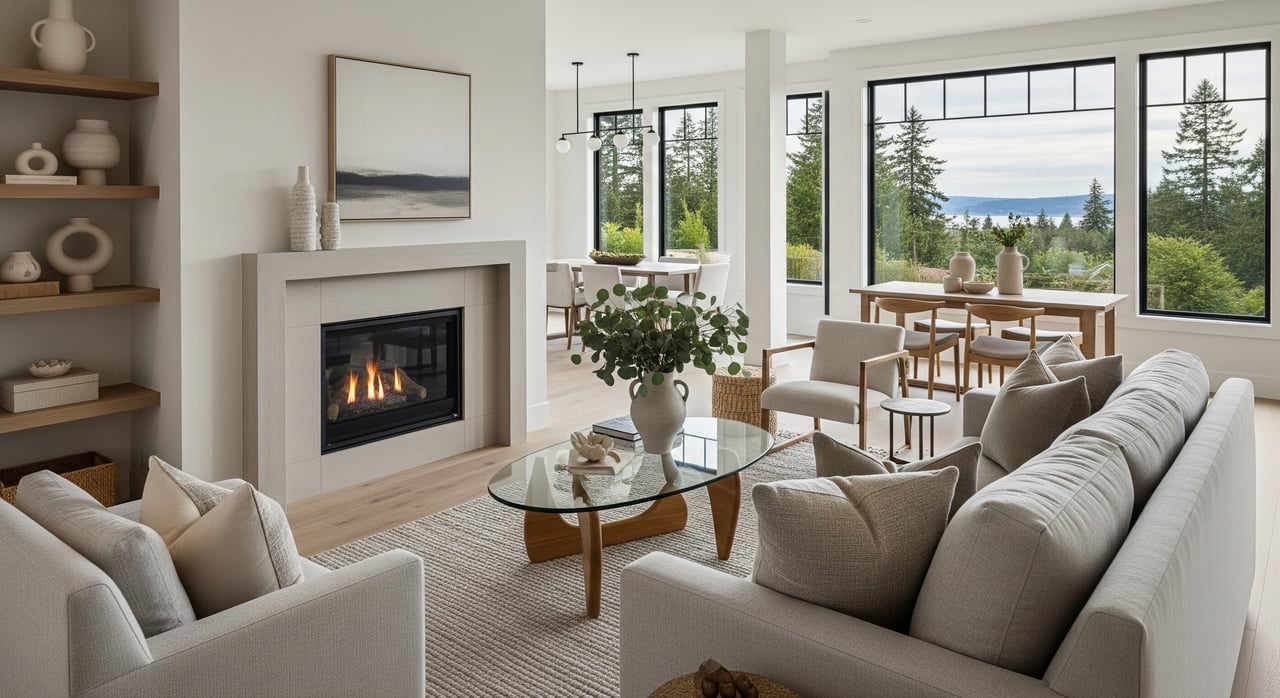
Buyers across the Puget Sound tend to respond to a few visual cues. You can use staging to bring these forward:
- Natural light and uncluttered rooms that feel open and calm.
- Practical kitchens and counters that show daily function.
- Neutral colors and finishes that make it easy to imagine living there.
- Usable outdoor spaces like a deck, balcony, or yard staged as livable.
- Clear storage and traffic flow, especially for families and commuters.
- Subtle hints of energy efficiency or updated systems when visible.
In Everett’s diverse buyer pool, you also see patterns:
- Commuters and military buyers often want low‑maintenance, turnkey spaces.
- Boeing and aerospace employees value functional layouts and organized storage.
- Local families look for a flexible den or office and a welcoming backyard.
- Downsizers appreciate simple, accessible setups and easy upkeep.
Types of staging and typical costs
You have options. Choose what fits your property, timing, and budget.
- Consultation or light staging: A stager tours your home, offers a checklist, and may rearrange what you own. Typical one‑time fee: about $150 to $600.
- Occupied or partial staging: Accessories, art, rugs, and a few pieces mix with your furniture. Typical initial cost: about $300 to $1,500 or more depending on scope.
- Vacant full staging: A complete furniture and decor package for empty homes. Total spend often ranges from about $1,500 to $10,000 or more, plus monthly furniture rental that can run about $300 to $1,200 or more.
- Virtual staging: Digital furniture added to listing photos. Pricing is usually per photo, roughly $25 to $200, or bundled.
In the Seattle metro, transport and labor can push quotes toward the higher end of these ranges. Spring often books fast, so plan ahead.
Where staging pays off
Industry research and agent experience show that staging can shorten days on market and support a stronger ask‑to‑sale price ratio. The biggest benefits in Everett’s current market come from three places:
- More online engagement, which means more showings.
- Faster momentum in the first two weeks, which helps avoid stale days on market.
- Better pricing power with fewer concessions and price drops.
Exact return on investment varies by home, neighborhood, and pricing strategy. What matters most is that your home competes well on day one and stays aligned with buyer expectations.
Smart staging strategies by property type
Match your approach to your home and neighborhood for the best results.
Downtown and Port Gardner condos
- Keep surfaces clear and highlight modern finishes.
- Stage the balcony with compact seating to show daily use.
- Use a light, neutral palette and mirrors to amplify natural light.
Suburban single‑family homes
- Emphasize family flow with a welcoming living room and eat‑in kitchen.
- Stage a flexible office or homework nook to show versatility.
- Dress the backyard with simple seating to suggest play and relaxation.
Homes near Paine Field and job centers
- Lean into low‑maintenance landscaping and tidy storage.
- Show an easy‑care lifestyle with durable rugs and clean lines.
- Keep decor simple and uncluttered for move‑in confidence.
Seasonal staging and curb appeal
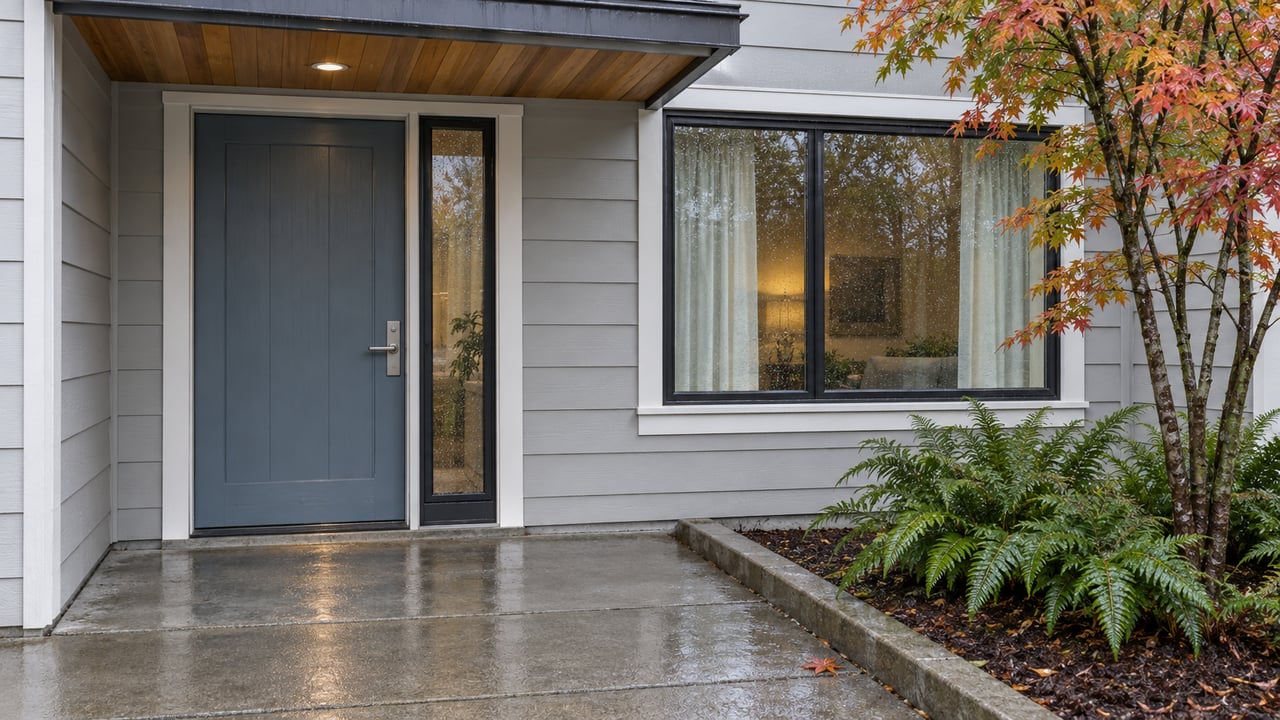
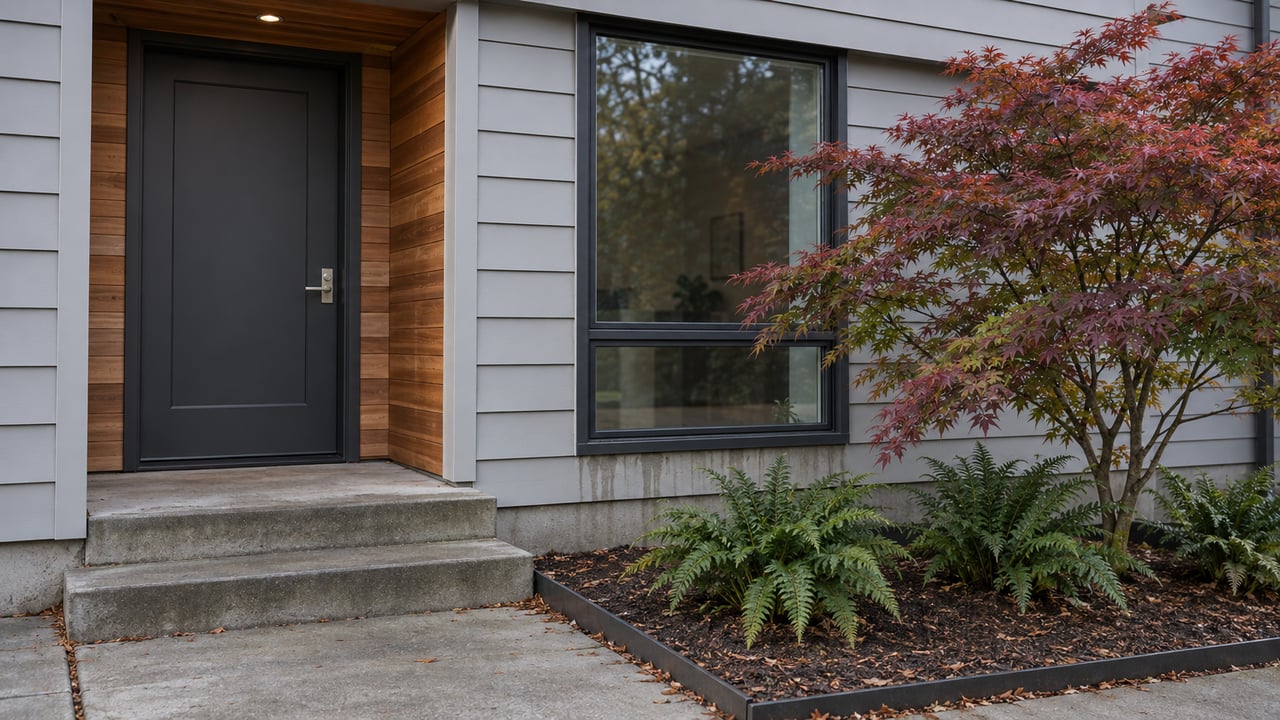
The Pacific Northwest calls for year‑round comfort. Inside, add cozy textures and warm lighting. Outside, keep walkways clean, add a fresh doormat, and use weather‑appropriate planters. These small choices set the right tone before buyers step inside.
If you are on a budget
You do not need to stage every room to win. Try these cost‑efficient moves:
- Start with a consultation plus professional photos for the main rooms.
- Target big‑impact spaces: living room, kitchen, primary bedroom, and the room that will be your lead photo.
- Use virtual staging for vacant spaces if full staging is not feasible. Label virtually staged images clearly and follow your MLS rules.
Virtual staging and MLS rules
Virtual staging can help online, especially for vacant homes. It should always be disclosed as digitally altered according to local MLS rules. Physical staging and high‑quality photography still create the strongest in‑person experience, so use virtual tools as a supplement when needed.
Plan your staging ROI
Think in terms of net proceeds, not just cost. Build a simple plan:
- Estimate a conservative price improvement from stronger presentation based on similar local homes.
- Subtract staging fees and any extra carrying costs for your timeline.
- Weigh the benefit of fewer price drops and cleaner offers against the outlay.
A straightforward breakeven approach helps you make a confident decision before you list.
Your timeline: from consult to listing
To keep your launch strong, line up staging before photos.
- Week 1: Initial walkthrough and staging consult; get a clear checklist.
- Week 1–2: Declutter, donate, and complete light paint or repairs suggested.
- Week 2: Staging install for target rooms and outdoor spaces.
- Week 2–3: Professional photography and, if useful, a virtual tour.
- Week 3: Go live with your best look and a pricing strategy that fits local comps.
Working with a hands‑on listing agent
Staging works best when it is part of a full listing plan. A hands‑on agent coordinates vendors, timelines, and photography so you hit the market ready. This approach is designed to boost early momentum, keep your price supported, and help you move on your ideal timeline.
When you are ready to talk strategy, partner with a local expert who manages staging, recommends cost‑wise updates, and markets your home across the right channels for Snohomish County buyers. If you want a clear plan tailored to your property, reach out. Jenell Steltz offers a free home valuation and seller strategy so you can decide what to do, what to skip, and how to net the most.
FAQs
Is professional staging worth it in Everett’s current market?
- Yes. With more inventory than the peak years, staging helps you stand out online, attract more showings, and support your asking price through stronger presentation.
What does home staging typically cost in the Everett area?
- Costs vary by scope, but consultations often run about $150 to $600, partial staging about $300 to $1,500 or more, and full vacant staging from about $1,500 to $10,000 or more plus monthly rentals.
Can I stage my home myself and still get results?
- You can make real progress by decluttering, depersonalizing, and neutralizing colors, then targeting key rooms; a professional stager adds layout expertise and photo‑ready styling.
Is virtual staging acceptable for Everett listings?
- It can help online for vacant spaces when disclosed as digitally altered per MLS rules; for the best in‑person impact, aim for some physical staging and high‑quality photos.
How far in advance should I book a stager in Snohomish County?
- In busy seasons, book 2 to 4 weeks before listing so the install is complete before photography and your first days on market.
Does staging affect inspections or appraisals?
- Staging influences visual appeal and buyer emotion, not required repairs or disclosures; it can support pricing power but does not replace maintenance or accurate condition reporting.